Case study
Design Systems.
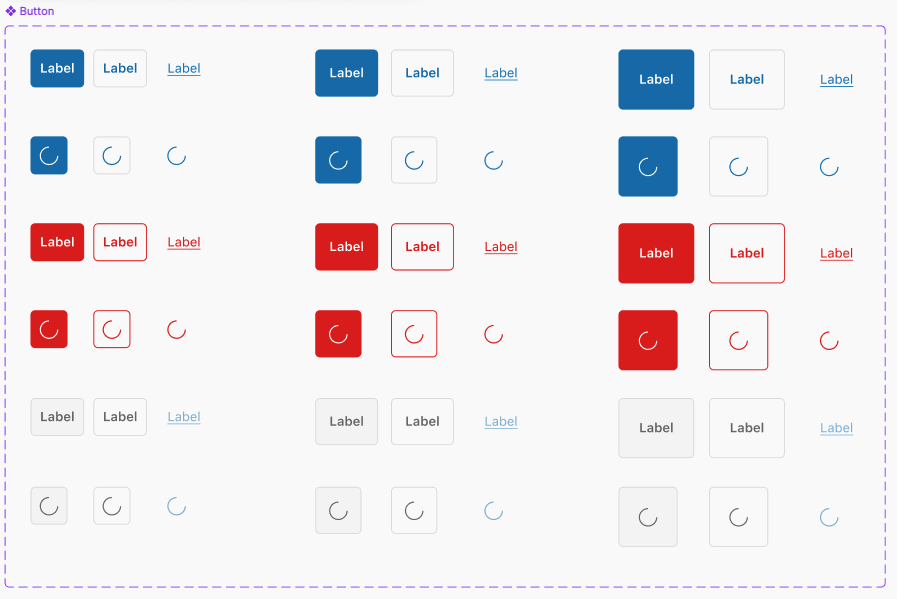
I led the creation of a new design system for Shopify's checkout. It's public-facing and has 1000s of users.
Situation
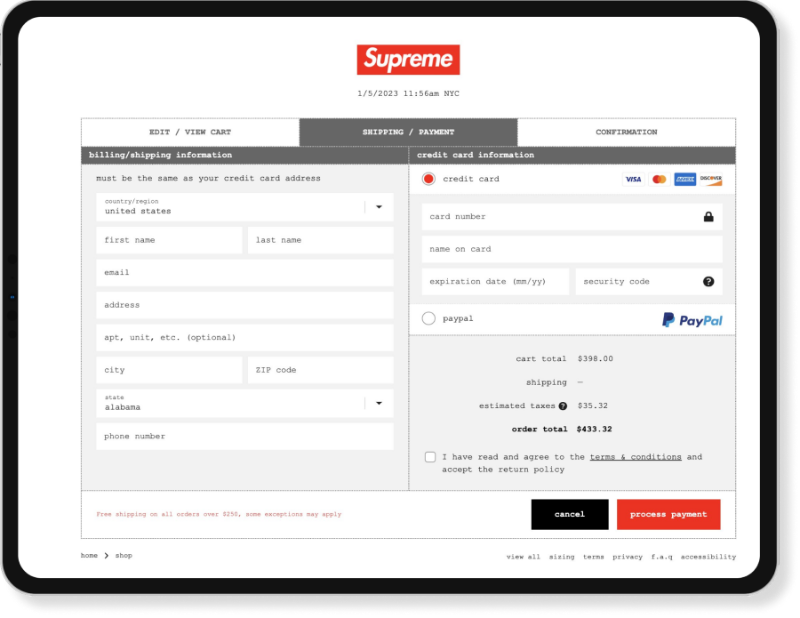
Shopify was relaunching checkout as a platform, enabling partners to build and launch apps on checkout.
Problem for Shopify
There was no way to ensure apps adhered to usability, accessibility, and other compliance needs.
Problem for users
Partners needed help to build apps, merchants needed apps that were a seamless part of their checkout.

Approach
- REALLY understand merchant customization needs
- Diverge from Shopify Polaris design system
- Enforce accessibility and compliance
Turning point
Engineering didn't want a design system.
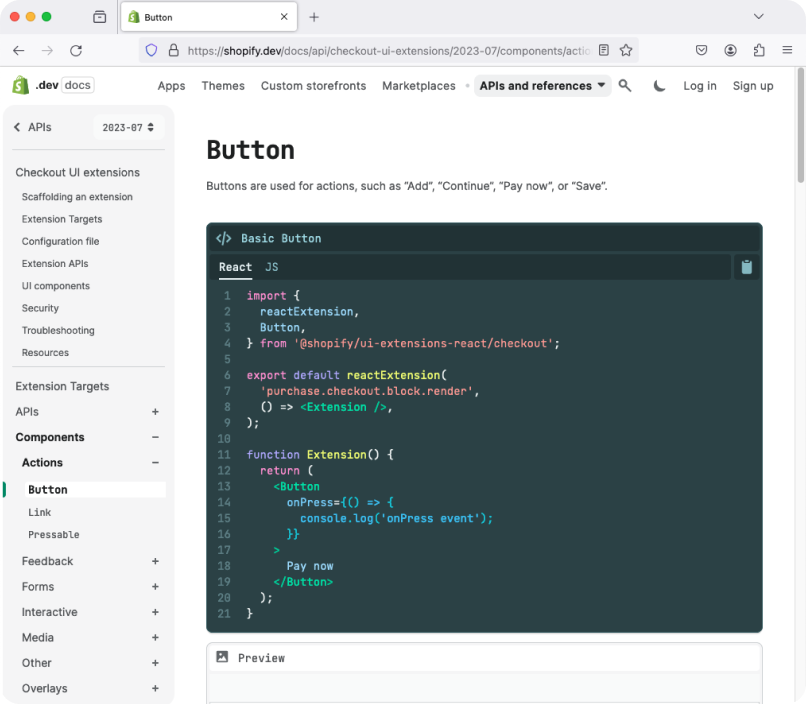
They weren’t against reusable components or consistency. They wanted documentation, code examples and practical tools, and the words “design system” were part of the problem.
So I stopped trying to sell them one and started solving what they actually cared about. Engineers got involved, and eventually they were the ones explaining why we needed a design system.
When someone resists an idea, I try to understand what's behind the resistance before I try to overcome it.
Solution
A decentralized design system that includes
- Components
- UX guidelines
- Figma UI Kit
Impact
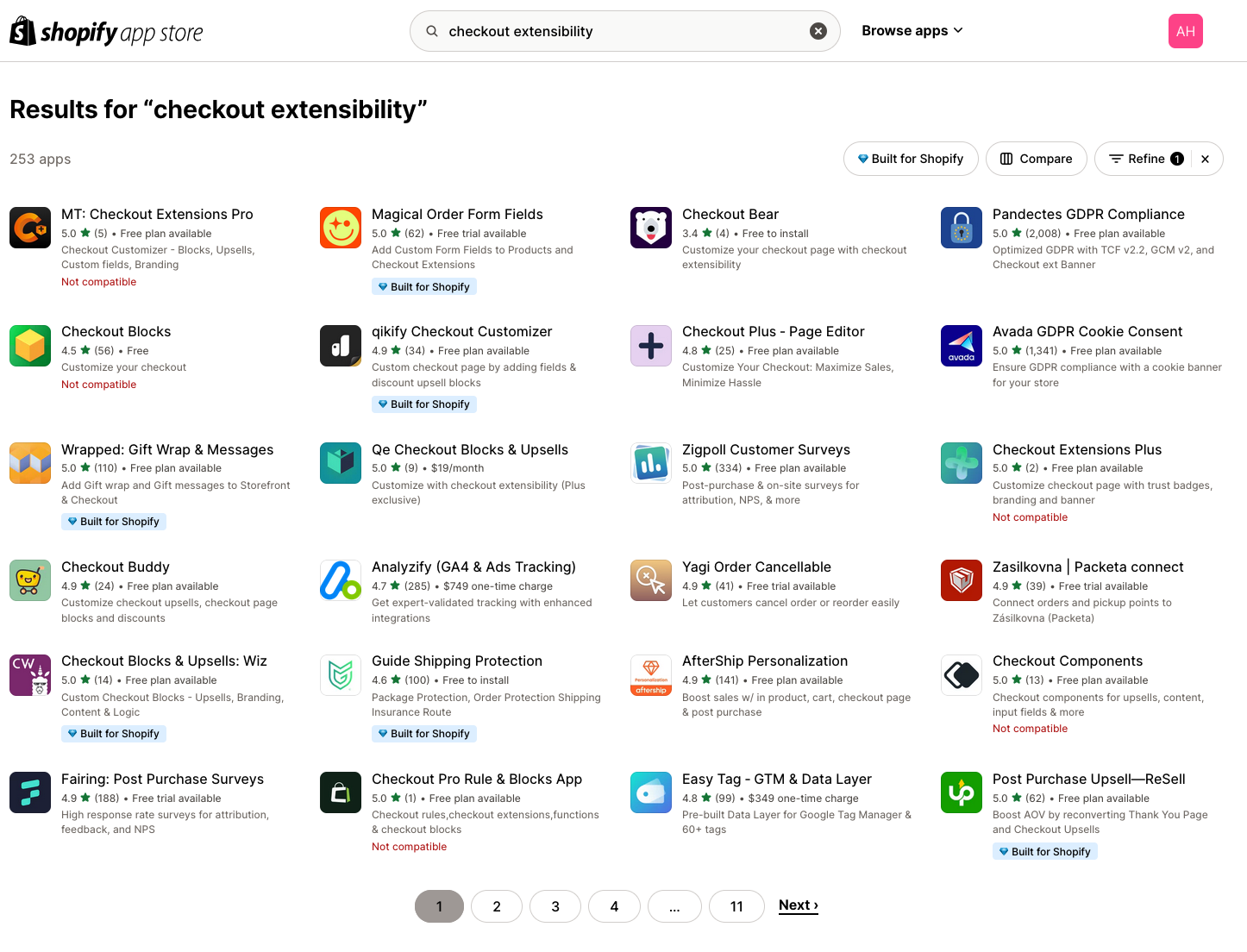
- 100s of apps using the design system components
- Components automatically reflect a store's branding
- Apps are accessible and compliant by default
- Design system extended to other Shopify surfaces